On July 4th, 2026, the United States marks its 250th anniversary, inspiring a new book aimed at guiding investors through the nation's financial narrative. The book, titled Investing in America: The Rise of a 250-Year Bull Market, is designed to stand out on any shelf, offering valuable insights for anyone interested in the stock market.
The State of Today's Investment Environment
Today's investors often navigate volatile markets that resemble a gamble rather than a structured investment approach. These fluctuations are often fueled by the latest digital trends. Meme stocks, driven by online forums and social media buzz, are just one example of how sentiment can sway asset prices significantly. This short-term focus overshadows a more substantive truth: long-term investment in American assets has historically yielded significant benefits.
Over time, historical evidence consistently demonstrates that patient investors are rewarded. Markets may cycle through periods of significant growth and downturn, but the larger narrative remains clear: those who stick to a disciplined investment strategy often see favorable outcomes. That’s the takeaway here. While day trading and speculative strategies dominate conversations, it's the long-range outlook that proves most fruitful for serious investors.
Long-term investors in America have consistently reaped rewards.
Unearthing Historical Context
This volume takes a decade-by-decade look at the U.S. stock market's evolution, from its origins with the Buttonwood Agreement in 1792 to today's AI-driven trading environment. The book doesn't just dish out numbers; it's rich with visual context. Charts offer graphical representations of trends, historical photographs invoke nostalgia, and relevant quotes give voice to the giants of finance—imparting wisdom learned over centuries.
Understanding this history isn't just for the academics; it provides practical knowledge for today's investors. This kind of context helps to ground investment decisions in reality rather than emotion. What's significant here is that investing in America's equities isn't merely about the numbers on a screen; it's about understanding the intricate tapestry of events that have shaped the market.
The First Lesson
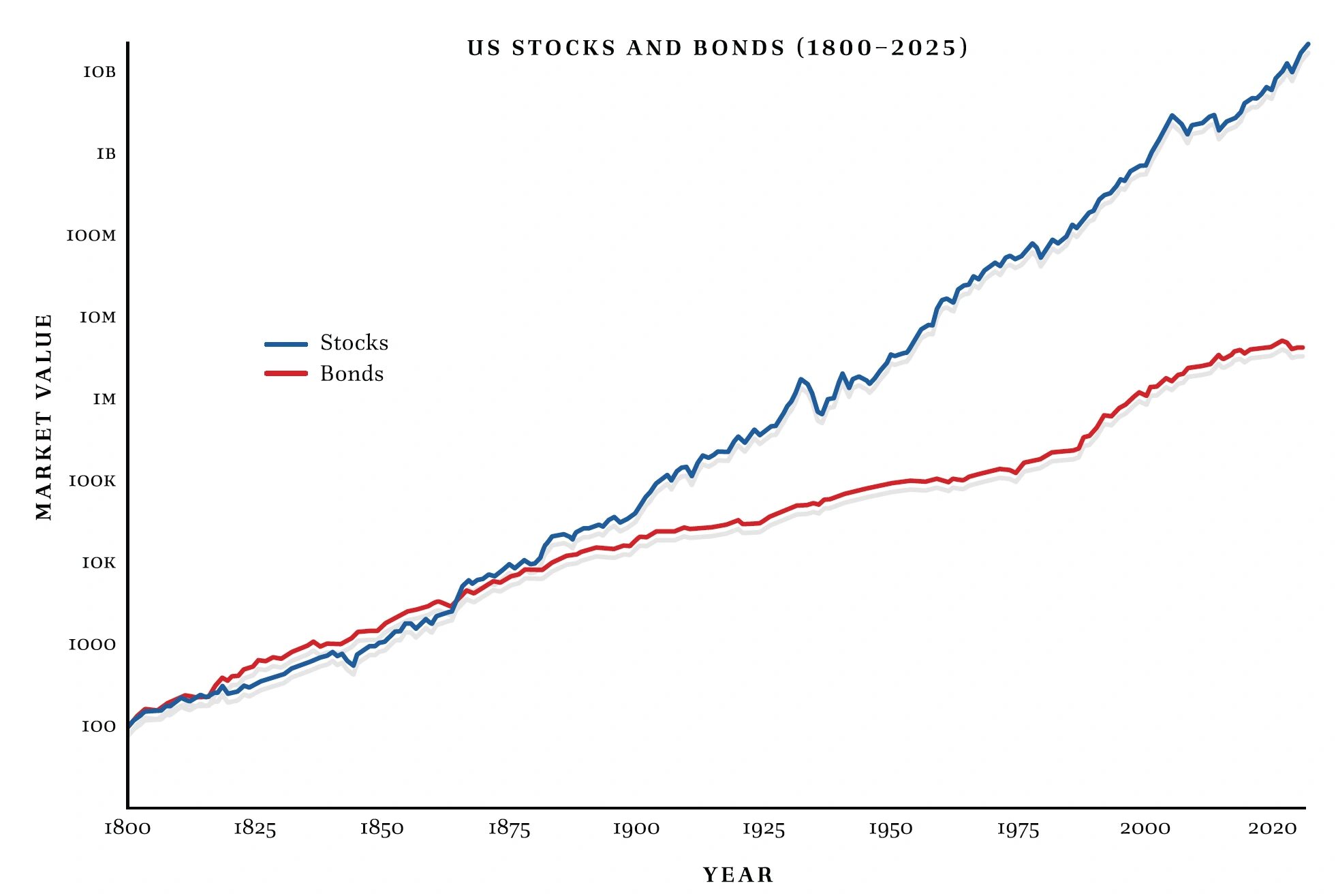
Consider this: if you had invested just $1 in U.S. stocks in 1799 and let it compound without interference, that amount could balloon to approximately $200 million today. This stark figure emphasizes the power of long-term growth over speculative trading. Many new investors might overlook this foundational principle in favor of chasing immediate gains, but history argues in favor of patience.
Book Features: A Closer Look
This publication is far from traditional financial literature; it allocates a chapter for each decade from the 1800s to present day, dissecting essential events, shifts in investor sentiment, economic crises, and victories. By breaking down each decade, readers can grasp how various factors influenced market conditions and investor behavior over time.
Expect to find:
- Numerous charts, tables, and archival imagery, which help in visualizing market trends
- Insightful comments from esteemed investors like Warren Buffett and Howard Marks, offering real-world perspectives
- Sidebars addressing critical concepts often overlooked, such as the necessity of reinvesting dividends, which many novice investors are unaware of
- Discussions on the fact that most affluent individuals are self-made, shedding light on the potential for growth through smart investing
Scheduled Release: July 4, 2026
As J.P. Morgan wisely stated over a century ago, the premise of this book mirrors that perspective: investing in America is a legacy rich in potential. This is more significant than it looks; framing investing as part of America's historical narrative might engage a broader audience that traditionally shies away from financial literature.
Thank you for your support throughout the years—I eagerly anticipate sharing this journey with you.
Implications and Future Outlook
The launch of Investing in America isn't just about celebrating a milestone; it also serves as a reminder of the enduring value of patience in investing. As automated trading systems become increasingly prominent, a focus on long-term strategies could fall to the wayside, leaving a gap that this book aims to fill. If you're working in this space, understanding that history can provide a framework for future strategies may be indispensable.
The current market dynamics may look challenging, but history has shown that downturns are often followed by robust recoveries. Investors who adopt a long-term perspective could find themselves at an advantage. The questions to consider are: Will they act on this knowledge, or will they chase the next shiny object, falling prey to fear and FOMO? (And this is the part most people overlook.) The narrative of American investing is one of resilience, and this book seeks to encapsulate that spirit as we approach the next 250 years.