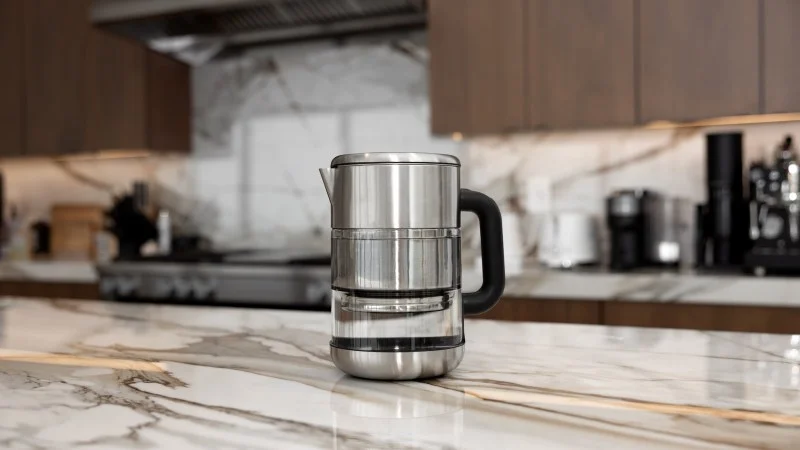
Rorra’s $249 Pitcher: A Premium Bet on Sustainable Water Solutions
Founders Brian Keller and Charlie Carlisle of Rorra are venturing into the premium market with their newly launched water pitcher, priced at $249. This high-stakes initiative has already seen its first batch fly off the shelves, suggesting that there’s a market for upscale water filtration solutions.
A traditional water filter pitcher typically retails for around $20 to $40, so Rorra’s pricing certainly raises eyebrows. What compels Keller and Carlisle to believe consumers will embrace such a dramatic cost increase for their product? The answer may lie in a blend of forward-thinking design and commitment to sustainability. Rorra's pitcher features premium materials—borosilicate glass and stainless steel—disrupting the market dominated by cheaper plastic options.
Keller and Carlisle have leveraged the same advanced filtration technology used in their successful countertop systems to justify the higher price tag, aiming to elevate both performance and aesthetic appeal. This isn't merely about selling a product; it reflects a larger ambition to redefine water filtration as a stylish element of modern kitchens.
What Sets This Pitcher Apart?
With their commitment to eco-friendliness, they introduce a water pitcher that minimizes plastic waste, enhancing the appeal for environmentally conscious consumers. Keller articulated a vision harking back to the durable appliances of mid-20th century America, stating, “How do we get back to that durable, oftentimes self-serviceable culture?” It’s this sentiment that resonates with a growing demographic desiring both functionality and sustainability in their kitchenware.
However, as innovative as this concept sounds, the challenge remains: How do they sell a $249 pitcher in a market accustomed to far cheaper alternatives? This prompted Keller to engage artificial intelligence in refining their launch strategy. By framing their original plan as a past failure—“This was the plan. It completely failed”—the AI delivered critical insights, pushing them to narrow their messaging and adjust their expectations about pre-launch activities.
The results speak volumes; they quickly sold out their first batch and plan to ship a second soon. Yet, the pivotal question remains: Just how many consumers are willing to invest in a premium water pitcher when cheaper options are plentiful? If you’re in the consumer goods space, that’s a pattern worth watching.