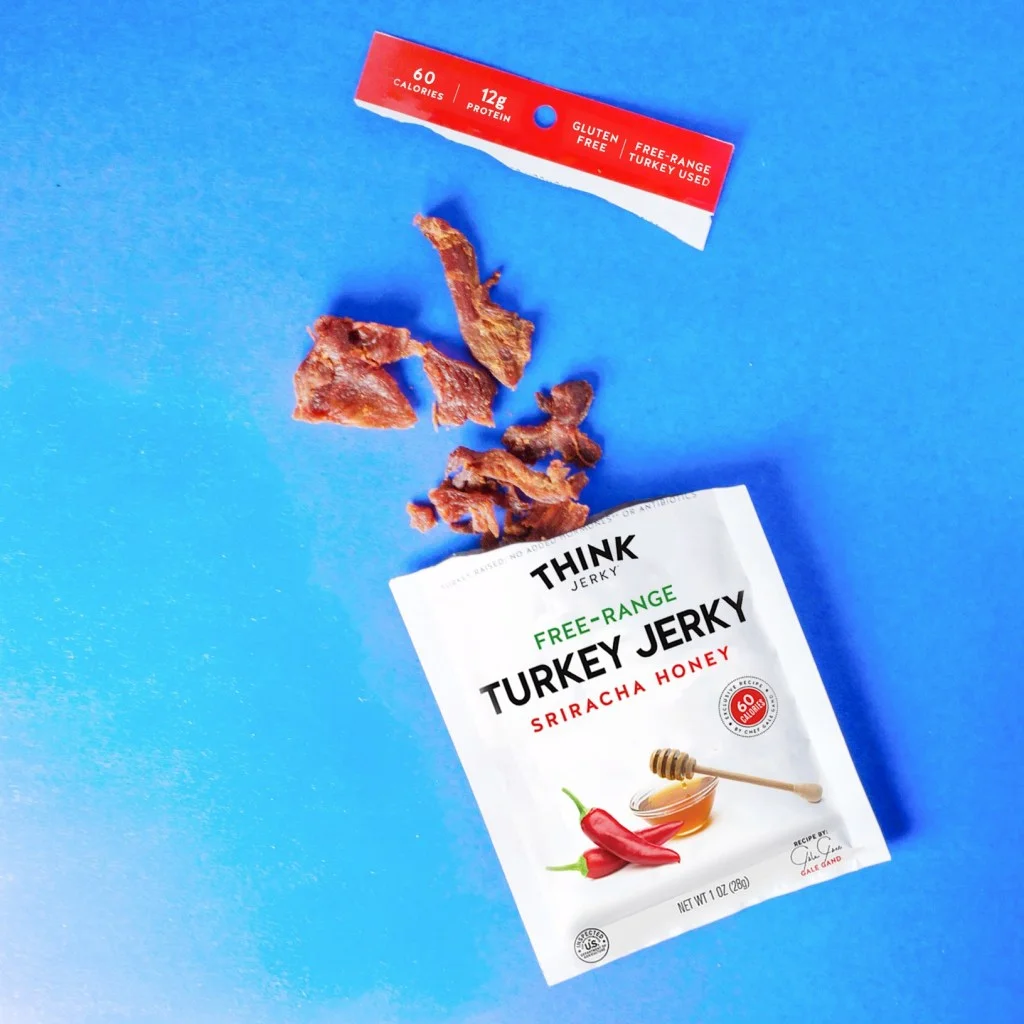
Think Jerky’s unexpected appearance in a film has turned a brief on-screen moment into a measurable sales surge. Within two weeks of the cameo, the Austin company’s honey sriracha jerky sales rose 345% on its website and 92% on Amazon. The opportunity is unusually large for a business with four employees and roughly 60 days of finished inventory on hand.
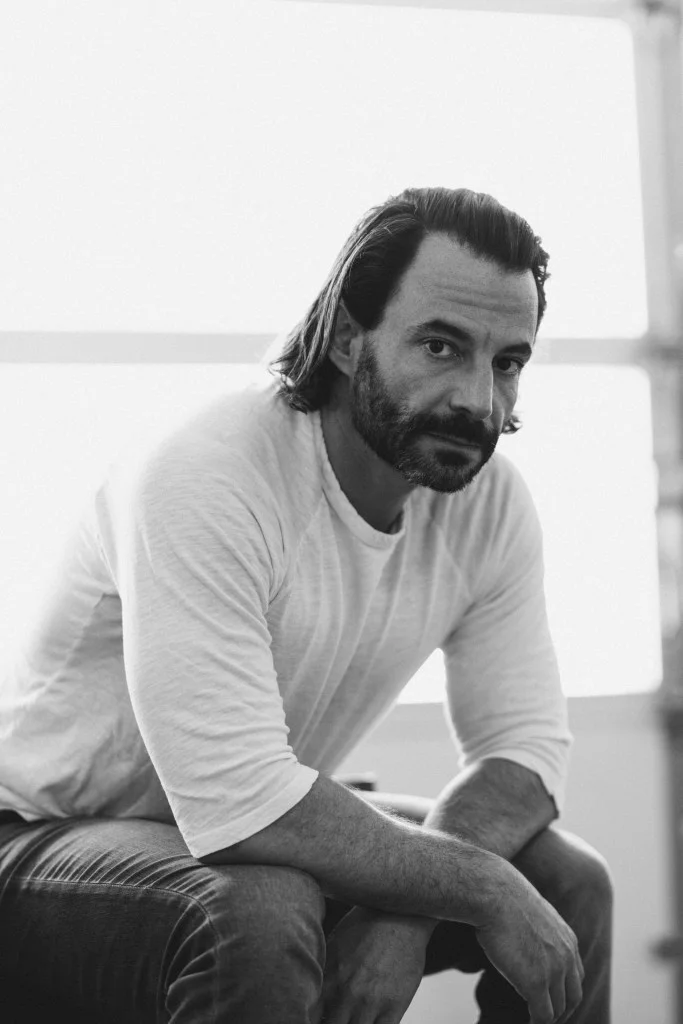
Founder and CEO Ricky Hirsch is trying to turn attention into durable demand while the conversation is still active. That means finding ways to extend the moment, meet near-term orders and keep the product’s chef-crafted identity visible. For a bootstrapped company, the sudden exposure brings a practical constraint alongside its marketing value: a viral spike can outpace a small team’s inventory and operating capacity.
A product cameo becomes a sales driver
Think Jerky began in 2015, when Hirsch combined his finance experience with an interest in creative branding to build a meat snack business around distinctive flavors. Its honey sriracha variety was developed with chef Gale Gand, a Michelin-starred chef and two-time James Beard Award winner. The product’s appearance in You Can See Everything gave that flavor a new audience through an unusually memorable setting.
The A24 film, directed by Nathan Fielder and Lance Oppenheim, features Elizabeth Holmes in the period before her federal prison sentence. In one scene, Holmes asks for turkey jerky from a prison vending machine. Amanda Seyfried, who portrayed Holmes in Hulu’s The Dropout, reenacts the moment. The camera then gives the vending machine and its products a clear view. Later, Holmes and her husband, Billy Evans, are shown eating Think Jerky.
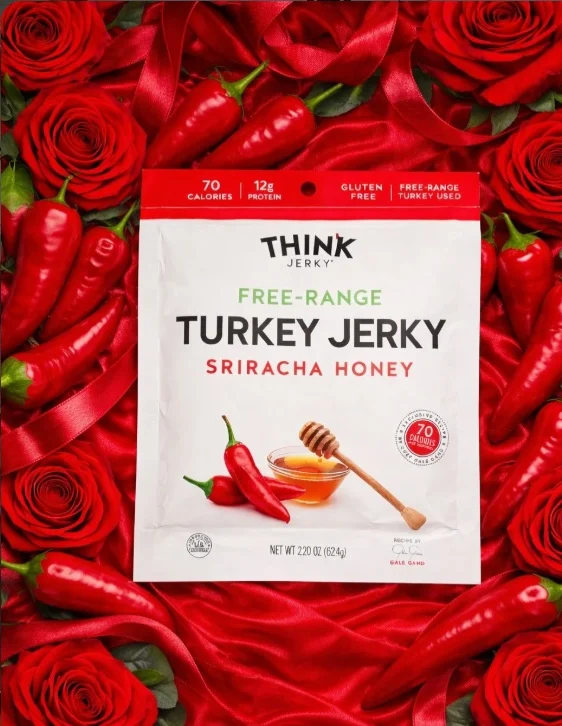
Hirsch learned about the appearance from an employee who had attended a New York screening. He was at home in Austin watching poker when her message arrived. Though he knew of Holmes and had watched the Hulu series, he wasn’t familiar with Fielder’s work and hadn’t expected the brand to appear in the documentary.
He went to see the film the following day, carrying jerky with him. When the product appeared, he was struck by the scale and clarity of the shot. Afterward, he handed out about 30 bags outside the Austin theater. That small, improvised sampling effort foreshadowed the larger response as the scene circulated online.
Attention reaches beyond the checkout
Sales weren’t the only sign of the cameo’s reach. People on X referred to the product as “the Elizabeth Holmes jerky,” and a post said the Texas grocery chain H-E-B had sold out. Online discussions speculated about the bag’s meaning in the film. Some fans made Think Jerky costumes for Halloween; YouTube videos discussed the appearance, restaurants approached the company about collaborations, and sellers offered imitation merchandise.
Hirsch says the brand name itself may have helped the moment travel. “Think” Jerky fits a film built around layered meanings, he suggests, allowing the package to register as more than a snack in the scene. He estimates that equivalent paid exposure could be worth millions of dollars, though the company’s immediate evidence is the observed sales lift and the volume of public interest.
The company’s challenge now is to make that attention useful after the film’s initial buzz fades. Hirsch has said he wondered whether interest would ease after the third weekend, but reports that people continue to reach out and ask about working together. The response has given the brand a chance to broaden awareness without a conventional advertising campaign, but converting cultural attention into repeat purchases will take follow-through.
A small team works to extend the moment
Think Jerky has no outside funding and four employees. Hirsch describes the company as small, with staff and their partners pitching in to handle the extra activity. That structure limits how much the business can do at once, even as it gives the team a direct incentive to focus its efforts on the opportunities with the clearest connection to the product.
The planned marketing includes a trip to San Diego for the Food & Wine festival. Gand is set to prepare an egg dish topped with jerky, a playful reference to the film. The company is also planning lookalike contests, with jerky giveaways and a Holmes cutout. Hirsch wants to keep the image of the bag circulating and make it a meme, recognizing that audiences may remember the scene longer than they remember the company name.
These activations lean on the same combination that made the cameo notable: an identifiable product, a scene people want to discuss and a brand name that lends itself to interpretation. The strategy is inexpensive in concept, though executing it still draws on the time and capacity of a small team. The company must also serve customers while using the moment to introduce people to its broader lineup.
Inventory and brand plans come into focus
Hirsch says sales remain strong and expects the company could sell out. Think Jerky has about 60 days’ worth of finished inventory available to meet demand. That reserve offers a buffer, but the sharp rise in one flavor’s sales makes inventory management a central part of the next phase. The reported growth rates describe a short window, so sustaining them will depend on whether interest continues and customers return.
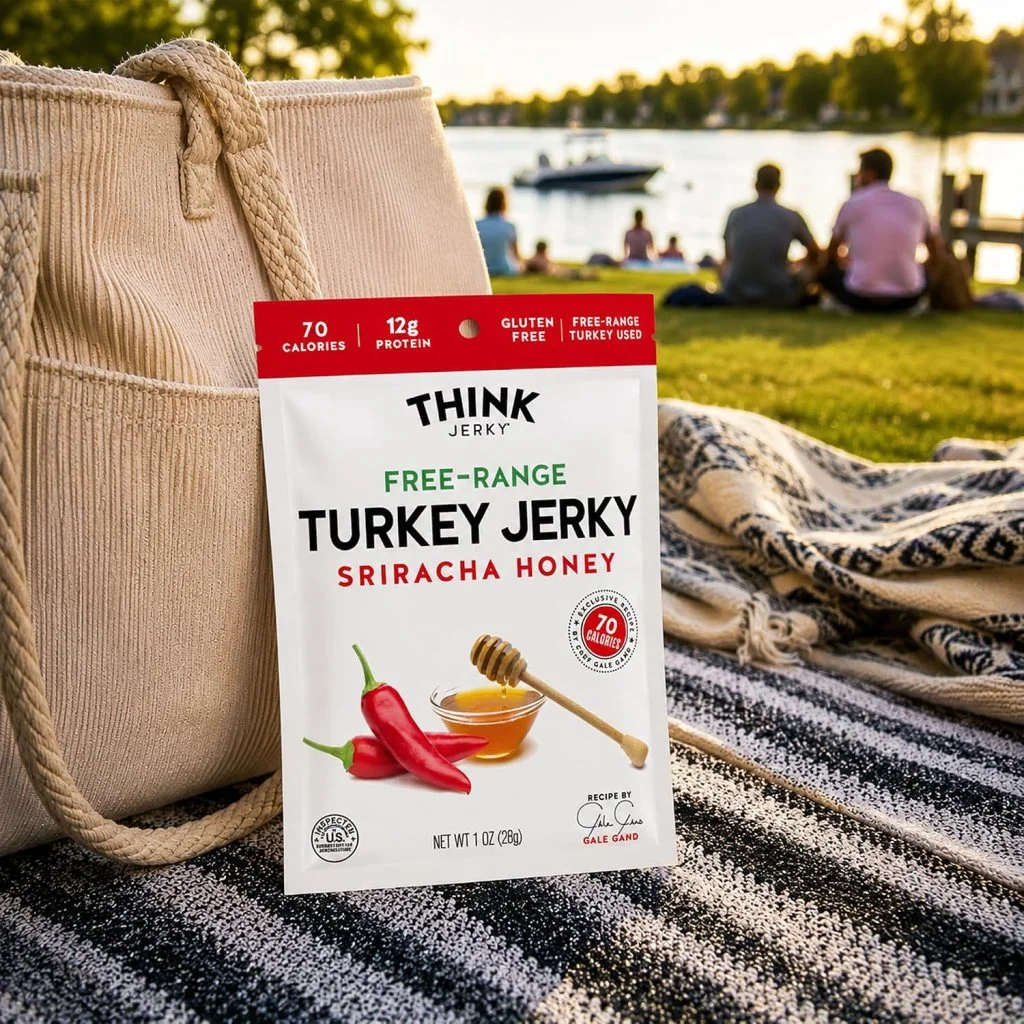
Alongside the marketing push, the company is revamping its website. Hirsch expects the work to be finished in about a month and describes the change as a soft rebrand intended to better express the brand’s chef-crafted approach. Think Jerky is also preparing a Thanksgiving turkey stick developed with Andrew Zimmern, a four-time James Beard Award winner.
Hirsch has said he would consider raising money with the right partner, despite having built the company without outside capital. He specifically mentioned Daniel Lubetzky as someone he would welcome a conversation with. There’s no announced financing or partnership; for now, the business is focused on its sales, product plans and collaborations emerging from the film’s attention.
The cameo has given Think Jerky a rare burst of earned exposure, but the more useful measure will be what remains after the online conversation moves on. With demand elevated, limited inventory and a small staff, the company’s next test is to turn a recognizable film moment into lasting awareness of the product itself.