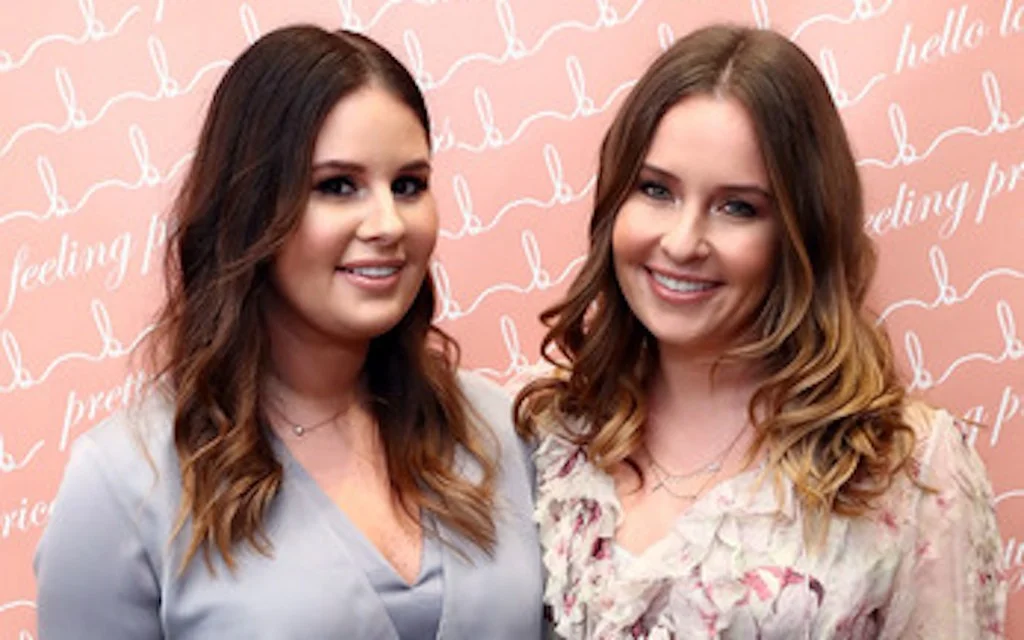
Fifteen years ago, two sisters ran into a problem most people with a big family event have faced. They wanted their whole crowd looking good for a bat mitzvah, the house was packed, and they couldn't pay for a makeup artist and a hairstylist to work on everyone. Stephi Cohen and Nicki Maron turned that frustration into Blushington, a hair, makeup and skincare lounge. The origin story is a good hook. The more interesting part is what happened after the pandemic forced them to rethink the model.
A gap between Drybar and the makeup chair
The idea came from a simple observation. "We started to think, well, you can go to Drybar and get your hair done," Cohen says in a new interview with Entrepreneur. "But where can we go to get our makeup done?"
That question became the concept. They pictured something like Drybar, but broader, where customers could get hair, makeup and skincare done without paying what a professional artist charges to travel to a home. Cohen was 21 when she named the business. Maron, then 23, was helping from the sidelines while chasing a television career. She eventually came on full-time.
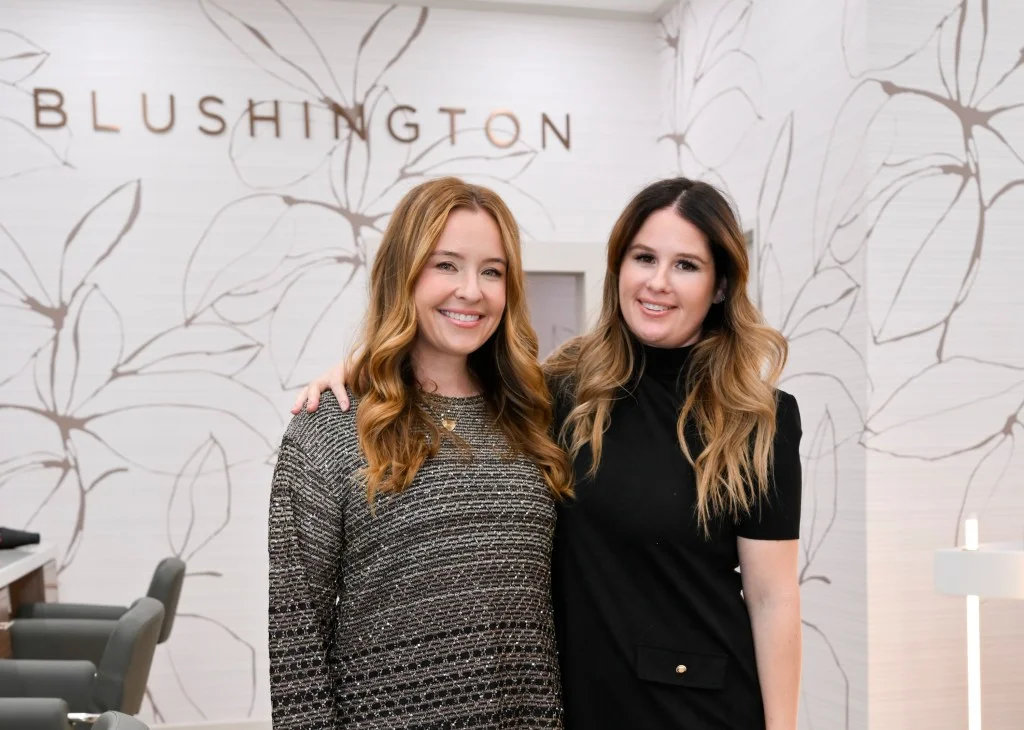
The sisters now serve as co-CEOs of Blushington, which they say runs at a seven-figure annual rate. Getting there required a hard pivot. The company temporarily closed its doors during the pandemic, and when it reopened, it was built around franchising.
Two backgrounds, one shared frustration
Cohen came to the business from retail. She studied communications and retail at the University of Arizona, spent time studying abroad in London, and graduated early. Beauty and fashion were always her thing. She has three sisters, and she was the one most drawn to that world. After graduating she worked in retail, but she wasn't sure what came next. What she did know was that she wanted to be her own boss.
Maron's path ran through television. She worked as an assistant to Bill Lawrence, the producer behind Cougar Town, and she says that job taught her how powerful grassroots marketing can be. Meanwhile, she was spending more of her time helping Cohen build the concept than doing her actual job. At some point that imbalance stopped making sense, and she made the leap.
She also saw the same gap her sister did. Maron pointed to actresses like Courteney Cox, who needed their makeup done regularly, as a sign of demand. The core problem was the same one: people couldn't get quality makeup application at a price they could afford.
What the first customers wanted
Maron points to a movie scene as the blueprint for the experience. "We watched Pretty Woman as kids, and that scene where she's treated badly in the store stayed with us," she says. The goal was to build the opposite. Women of different generations should be able to sit down, get their makeup done, and feel like the artists were actually listening to them.
Cohen credits Maron with being there from the start, even while Maron still had another job. "Having someone I trusted so much made a huge difference," she says. That kind of partnership is easy to overlook in founder origin stories, and it's a reason the early operation held together.
A name the family didn't like
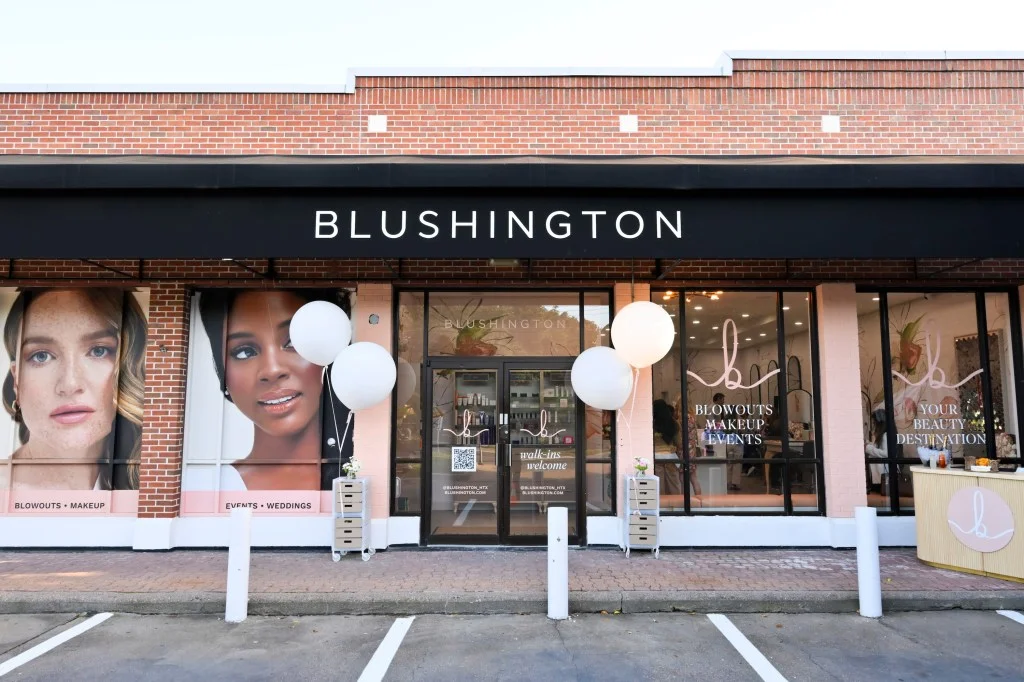
The name almost didn't happen. Cohen had just returned from London and liked names like Lexington and Kensington. Many of the options she wanted were already trademarked, though. She was after something with an international feel, even though the business started as two sisters in Los Angeles. They combined "blush" with a suffix and landed on Blushington. Nobody had claimed it, so they could trademark it.
Almost everyone in the family disliked it at first, Maron included. "I didn't understand it," she says. She gives Cohen credit for trusting her instincts, and she's blunt about the alternative: "If it had been up to me, we probably wouldn't have gone with Blushington, and that would have been a mistake."
Testing demand with friends and family
Before opening, the sisters checked whether their frustration was shared. They talked to friends and family, including cousins, aunts, grandmothers and visiting friends. The pattern was consistent. Existing salons didn't put service first the way they wanted. Maron describes the goal as a place that felt like "a home away from home," with a welcome closer to a warm hug than a transaction.
Cohen also pushed back on the idea that makeup belongs only to weddings and prom. That belief shaped the menu, including services like Eyes Only, built for people who want to look and feel good without a full face of makeup.
From business plan to buildout
The sequence was fairly conventional. Cohen tested the concept with people she trusted, then wrote a business plan, then went looking for a site. The location came almost by accident. Driving down Sunset near Drybar, she spotted a "For Lease" sign and decided she had to call. "This is a sign," she thought.
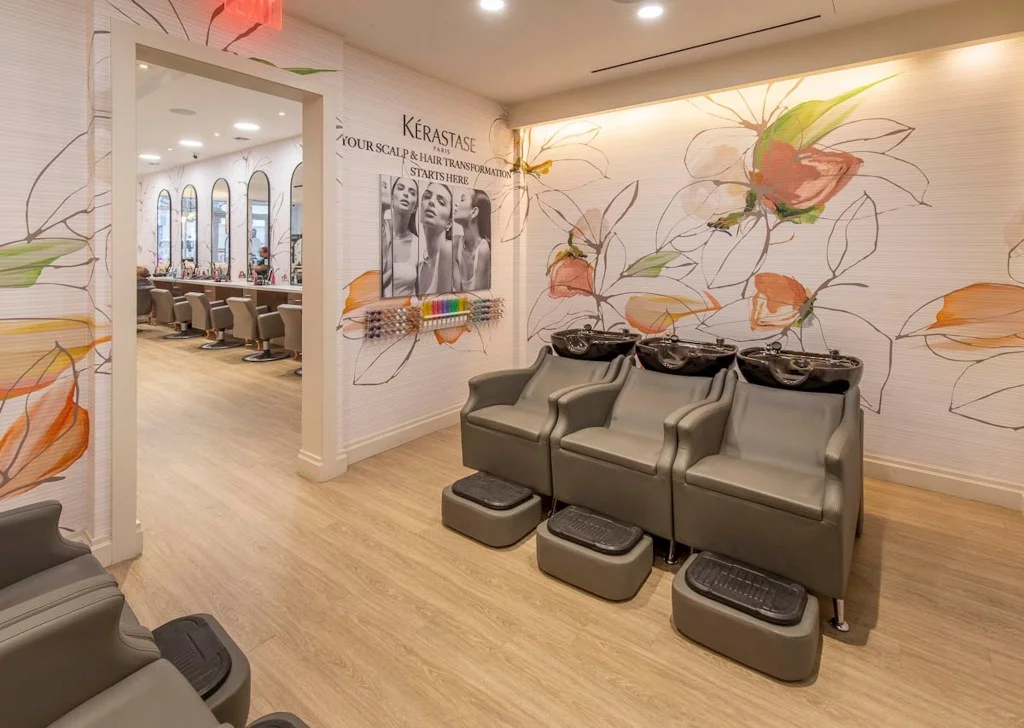
The space turned out larger than they'd planned, which they made work. Architects and buildout followed, and Cohen says creating the space was the most exciting part. "You learn as you go," she says, and she leaned on people with more experience.
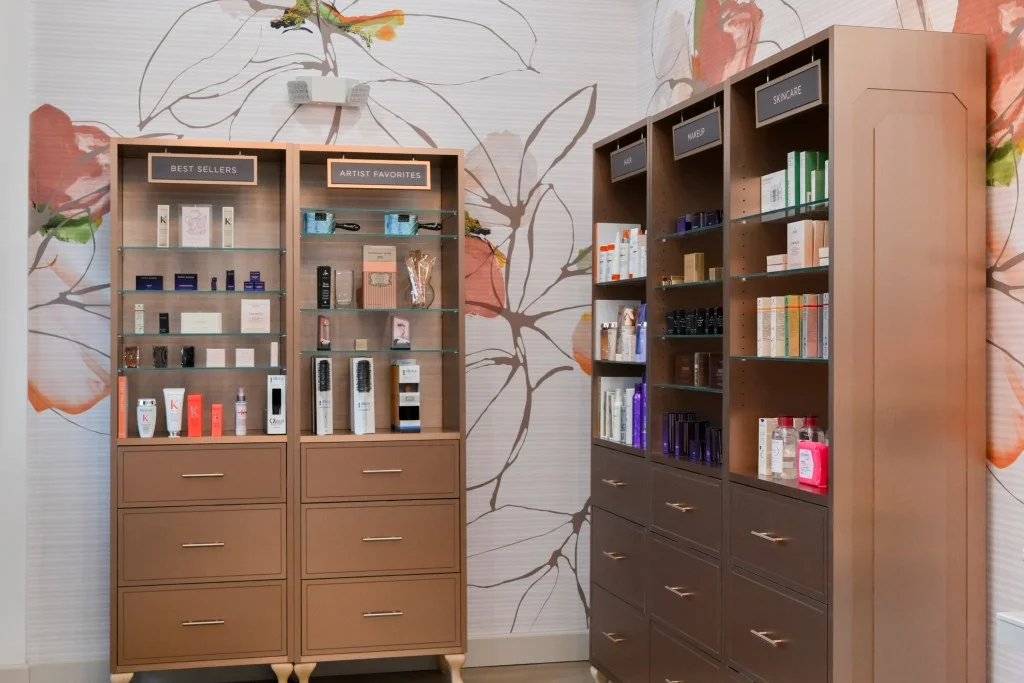
Product selection was where they held firm. Bigger brands often required a minimum order or the full product line. Blushington refused. "We weren't going to buy an entire product line just to carry a brand, and we still don't," Cohen says. The goal was to pick products that suited their artists and their customers.
Raising money and finding the first customers
The first location was funded by a board and a group of investors who covered the buildout and early operations. The pitch was that nobody was doing this. Investors already understood the appeal of blowout bars, and Blushington argued that makeup offered the same kind of opportunity. Its product selection, artistry, pricing and model did the rest. The interview doesn't say how much the investors contributed or how many there were. That's a gap, because it's the part most founders are reluctant to discuss.
Maron's advice on fundraising is blunt. "You call everyone you know," she says. Cohen describes the early stage as "pounding the pavement." Publicity eventually did some of that work, pulling people toward the brand instead of the other way around. Location did a lot of the early selling. The business opened in 2011 with Drybar next door. The two shops had a good relationship, and clients who finished their hair often walked over for makeup. The sisters still prioritize the community. Sometimes that means standing on the sidewalk handing out cards, and Maron will do it herself. They also favor locations near fitness, wellness and other businesses where their customers already spend time. The logic is simple: someone finishes a workout and decides on a blowout.
Pricing for the occasion and the everyday
Maron describes the typical customer as multigenerational. She imagines the women in the room at the bat mitzvah: someone who knows little about makeup, someone who knows a lot, and the mom and grandmother. She admits she was a college soccer player who never wore makeup, and her sister did her face for years. A mother brings her daughter, and the cycle repeats.
Cohen's pricing argument is more personal. She had severe acne in high school and knows firsthand what a little makeup can do for confidence. The point was to break the idea that a professional makeup session is reserved for big events. Keeping prices low means people come in more often, whether for a date or simply to feel good. Maron puts a number on it: hair and makeup under one roof for less than $200.
The week everything stopped
The pandemic hit at the worst possible moment. Maron says they signed a flagship space in New York City on March 11. Two days later, on March 13, they closed their doors. "It was one of the worst days of our lives," she says. Blushington had to close all its locations and let its team go. Then came the harder question: should they keep going at all?
Rebuilding around franchising
Cohen says the hardest part was not being able to pay their employees. "Before we could even figure out what we were going to do, we were worrying about them," she says. The choice was whether to shut the business or come out stronger. They chose the franchise model. During the shutdown they launched Blushington Academy online and certified artists across more than 40 states. Maron says the portal now has more than 250 artists. The academy kept artists connected to the brand when clients weren't booking appointments, and it also tapped into a growing number of people who wanted to run their own businesses. Franchising made sense for another reason. Cohen and Maron live in Los Angeles, and a franchisee in another city knows that community better than they do. "Someone who lives in another city knows that community better than we do," Maron says. That's a sensible argument, and it's also the least fashionable reason to franchise, because it hands over local judgment instead of trying to centralize it.
Where the footprint stands now
Blushington today has one corporate location in New York City and two franchise locations, in Boca Raton and Houston. The franchisees came in as customers. Karen, the first franchisee, had visited the Dallas and New York locations. Courtney, who runs the Houston location, had been emailing the company about franchising since 2015. That's a more reassuring sign than a cold pitch to strangers.
What franchisees are buying into
Why would someone choose a Blushington franchise instead of starting an independent business?
What a franchisee actually gets
Running a business alone is hard, and most people who've tried it know how much gets stuck on one person's desk. Maron's pitch rests on the support behind the brand. Franchisees get Stephi, Maron, and the wider team, who help with real estate selection, marketing, and operations. Those are areas the founders say they've spent years learning, not guessing at.
The concept is the other half of the bet. Blowouts, makeup, and skincare in one appointment means a client doesn't have to juggle three bookings across town. Maron presents that as a time saver for customers and a head start for franchisees, who open with an established brand instead of building one from scratch.
What drives the price tag
The investment mostly comes down to three things: the buildout, the inventory, and the products the company selects. Cohen also points to a less obvious factor. These lounges aren't purely service spaces. They host private parties and rent out room, and that shapes how each location gets designed and built. A franchisee shouldn't expect a generic salon floor plan.
The company also softens the entry for two groups: veterans and owners who take on multiple units. If you're a veteran weighing the model, or an operator thinking about a second or third location, those incentives are the first thing to ask about.
The demand case
Before asking anyone to invest, Maron says the company had to prove customers wanted several services bundled together. The number it points to is close to two services per appointment. A client books a blowout and adds makeup or lashes. That's a direct signal, and it's the one that matters most.
What customers appear to be rejecting is friction: separate locations, long waits, inconsistent quality, and a product selection so crowded it's hard to choose from. The business is built to strip that out. Here's the thing, though: two services per appointment shows people are buying the bundle, not just putting up with it. Whether that pattern holds in every market, and under every franchisee's management, is the question to press on before signing anything.